Why Draper is the Hotspot for Investment Properties in 2026
Draper sits at a strategic midpoint between Salt Lake City and Lehi, giving investors access to both employment hubs and a deep tenant pool. According to U.S. Census QuickFacts, Draper’s population grew by between 65% and 70% from 2000 to 2010, signaling long-term demand momentum. That trajectory, combined with technology expansion near the Point of the Mountain, underpins sustained interest in investment properties in Draper heading into 2026.
Why are investment properties in Draper gaining momentum in 2026?
Investor attention is gravitating toward Draper because of constrained inventory and resilient pricing. According to Redfin data through early 2026, typical closed-sale prices in Draper often range between $650,000 and $850,000 for well-located single-family homes. Days-on-market frequently hover between 20 and 30 days, which indicates steady buyer and renter demand rather than speculative spikes. Investors see that balance as a foundation for stable long-term appreciation.
Rental fundamentals reinforce the ownership story. Based on the most recent figures from Rent.com, many Draper apartments lease in the range of $1,600 to $2,200 per month, depending on age and amenities. Larger townhomes near Corner Canyon High School and Juan Diego Catholic High School often command a premium over those averages. That rent structure, combined with strong school demand, supports consistent occupancy across neighborhoods surrounding 12300 South and Highland Drive.
Vacancy conditions in the broader county also help explain interest in investment properties in Draper. According to U.S. Census QuickFacts, the rental vacancy rate in Salt Lake County has generally hovered between 4% and 6% in recent years, including 2023. With Draper positioned as a high-amenity suburb rather than a downtown core, many investors view that sub-6% range as a signal of durable occupancy potential rather than transient demand.
How do jobs and transportation in Draper support long-term rental demand?
Employment access remains one of Draper’s strongest selling points for investors. The city sits roughly 20 miles from downtown Salt Lake City and about 15 miles from the core of Lehi’s Silicon Slopes corridor, based on mapping estimates cited by Walk Score. That central position allows residents along Pioneer Road and Traverse Ridge Road to commute in either direction with relative ease. Investors often prioritize such bi-directional access because it widens the pool of potential tenants.
On weekday mornings near the Draper Town Center TRAX Station, the metallic rush of trains mixes with the aroma of espresso drifting from local cafés on Pioneer Road. Commuters step from shaded platforms into crisp canyon air drifting down from Corner Canyon Regional Park, and the low murmur of conversations carries toward Draper City Hall. That sensory rhythm gives tenants a daily reminder that transit, trailheads, and employment are all within a short walk of key apartment and townhome complexes.
Transit connectivity reduces reliance on single-driver commutes and supports higher-density investment properties in Draper. According to Walk Score, Draper records a Transit Score in the range of 30 to 35, reflecting access to TRAX light rail and nearby bus routes as of early 2026. While the overall Walk Score sits around 28, clusters near Draper Peaks Shopping Center, Draper Crossing, and the Draper TRAX stations score higher, which favors mixed-use developments and build-to-rent communities along 12300 South and Lone Peak Parkway.
Which property types in Draper align with different investment strategies?
Investors targeting appreciation often focus on single-family homes near premium amenities like South Mountain Golf Course and the Loveland Living Planet Aquarium. According to Zillow data through Q1 2026, typical home values across Draper trend in a band between $700,000 and $900,000, with properties on larger lots near Hidden Valley Country Club often above that range. Those price levels attract investors with longer time horizons and stronger capital reserves.
Townhomes near commercial corridors on Bangerter Parkway and Minuteman Drive often suit investors prioritizing rent-to-price efficiency. Based on listings tracked by Redfin during late 2025 and early 2026, many newer townhomes in Draper list between $500,000 and $650,000. When paired with rents frequently in the $2,000 to $2,600 range reported by Rent.com, those properties can pencil favorably for investors pursuing moderate leverage and mid-term holds.
Small multifamily and mixed-use buildings around Draper Historic Park, Fort Street, and the Draper City Park area often appeal to investors seeking diversification under a single roof. While such properties are less common than single-family homes, they concentrate multiple income streams into one location. According to leasing data referenced by Rent.com, studio and one-bedroom rents in central Draper often range from $1,300 to $1,700, helping owners blend higher-yield smaller units with larger, more stable family rentals.
How do schools, parks, and amenities influence returns on investment properties in Draper?
Strong schools rank near the top of most tenant wish lists and directly support the performance of investment properties in Draper. According to GreatSchools data, Corner Canyon High School holds a rating of 9 out of 10. Nearby schools such as Draper Park Middle School and Oak Hollow Elementary also post competitive ratings. Properties within a short drive along Highland Drive or Rambling Road often benefit from that academic reputation, especially among long-term renter households.
Parks and trail systems add another layer of value. Draper City notes that Corner Canyon Regional Park encompasses roughly 1,200 to 1,300 acres of open space and trails overlooking the Salt Lake Valley, as referenced in regional recreation summaries linked by Walk Score. Proximity to Draper City Park, Southfork Park, and the Porter Rockwell Trail often commands a modest rent premium, particularly for townhomes and condos marketed to active professionals and families seeking quick access to outdoor recreation.
On summer evenings near Draper City Park, the crisp scent of cut grass mixes with the smoky aroma from food trucks lining the edge of 1300 East. Children’s laughter from the playground drifts toward nearby streets as lights illuminate softball fields, casting a soft glow on townhomes along Pioneer Road. The distant hum of traffic on I-15 fades beneath music from community events, creating a relaxed atmosphere that helps nearby rentals feel both grounded and highly desirable.
What risks and due diligence steps matter most for Draper investors in 2026?
Even in a favorable market, investment properties in Draper require disciplined underwriting. Topography and weather patterns near the Point of the Mountain bring stronger winds than many inland suburbs, which can influence maintenance budgets for homes on Steep Mountain Drive and Traverse Ridge Road. According to building-resilience guidance from the State of Utah’s hazard mitigation resources cited by U.S. Census portals, wind events in this corridor are notable, so investors often factor enhanced roofing and exterior standards into long-term capital plans.
Regulatory and tax considerations also enter the equation. Salt Lake County effective property tax rates have generally ranged between 0.60% and 0.75% of assessed value in recent years, based on summary figures compiled through county-level reporting referenced by U.S. Census QuickFacts. When applied to a Draper home priced around $800,000, that equates to an approximate annual tax burden between $4,800 and $6,000. Proper due diligence incorporates those holding costs alongside projected rent growth.
Amenities that boost demand can also introduce unique underwriting variables. For example, the Loveland Living Planet Aquarium draws more than 1,000,000 visitors annually, according to attendance data cited by Loveland Living Planet Aquarium reports through 2023. Short-term and mid-term rentals near Lone Peak Parkway and Draper Peaks Shopping Center sometimes capitalize on that traffic, but investors in 2026 must monitor evolving city regulations and HOA rules that may restrict nightly or weekly rental activity.
The 65%–70% population growth cited at the start of this guide reflects a structural shift rather than a temporary spike, and it continues to shape demand for investment properties in Draper. That early figure underscores how sustained in-migration, employment access, and amenity-driven appeal converge in this submarket. The UtahRealEstate.com MLS portal offers one of the clearest real-time windows into active and under-contract inventory across Draper’s key neighborhoods. Investors who register listing alerts there and commit to touring qualified properties within 48 hours of status changes before the late-spring surge in May typically secure better pricing and terms, while those who delay until after summer often face thinner choices and more aggressive competition.
FROM OUR BLOG
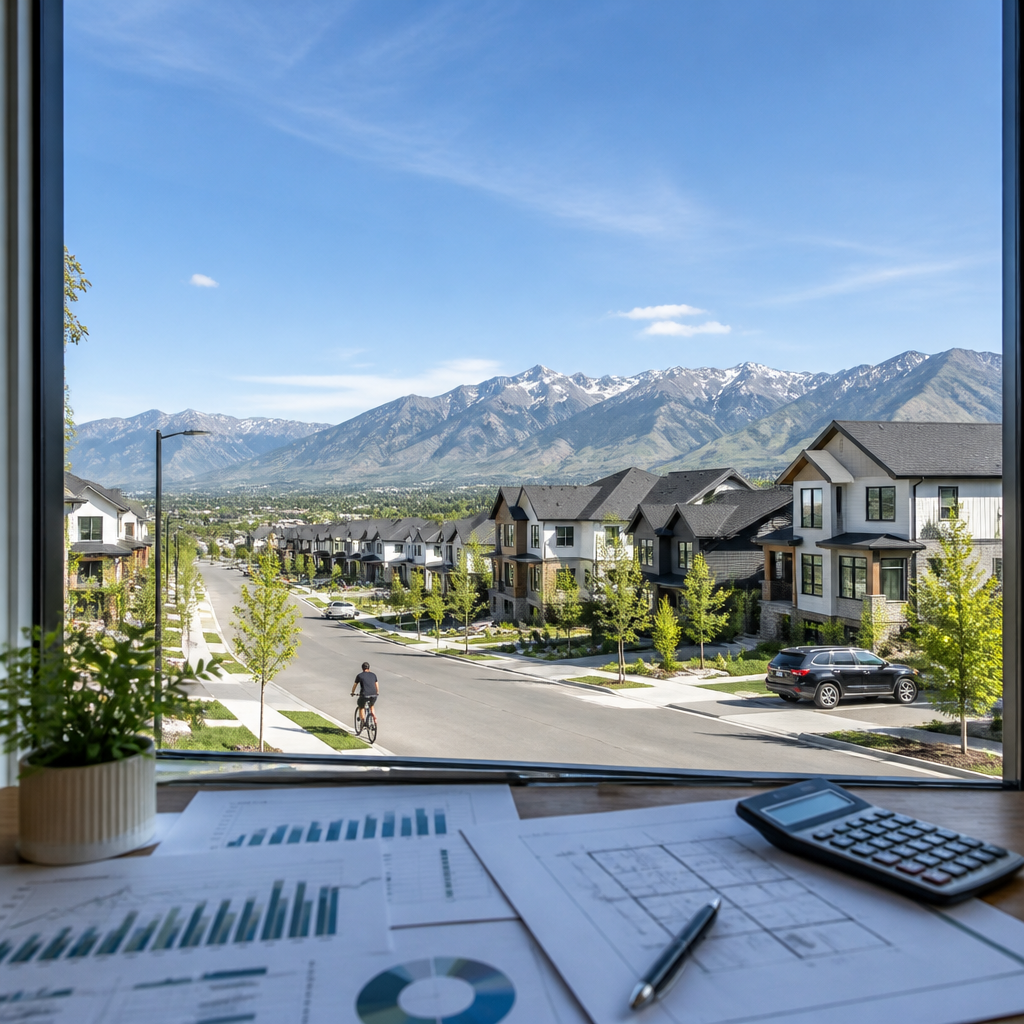

Essential Tips for First-Time Homebuyers in Salt Lake City: Your 2026 Guide
Essential Tips for First-Time Homebuyers in Salt Lake City: Your 2026 Guide The first purchase often sets the tone for an entire financial future, and first-time homebuyers in Salt Lake City face a market that rewards preparation. According to National Association of Realtors data through 2024, abou
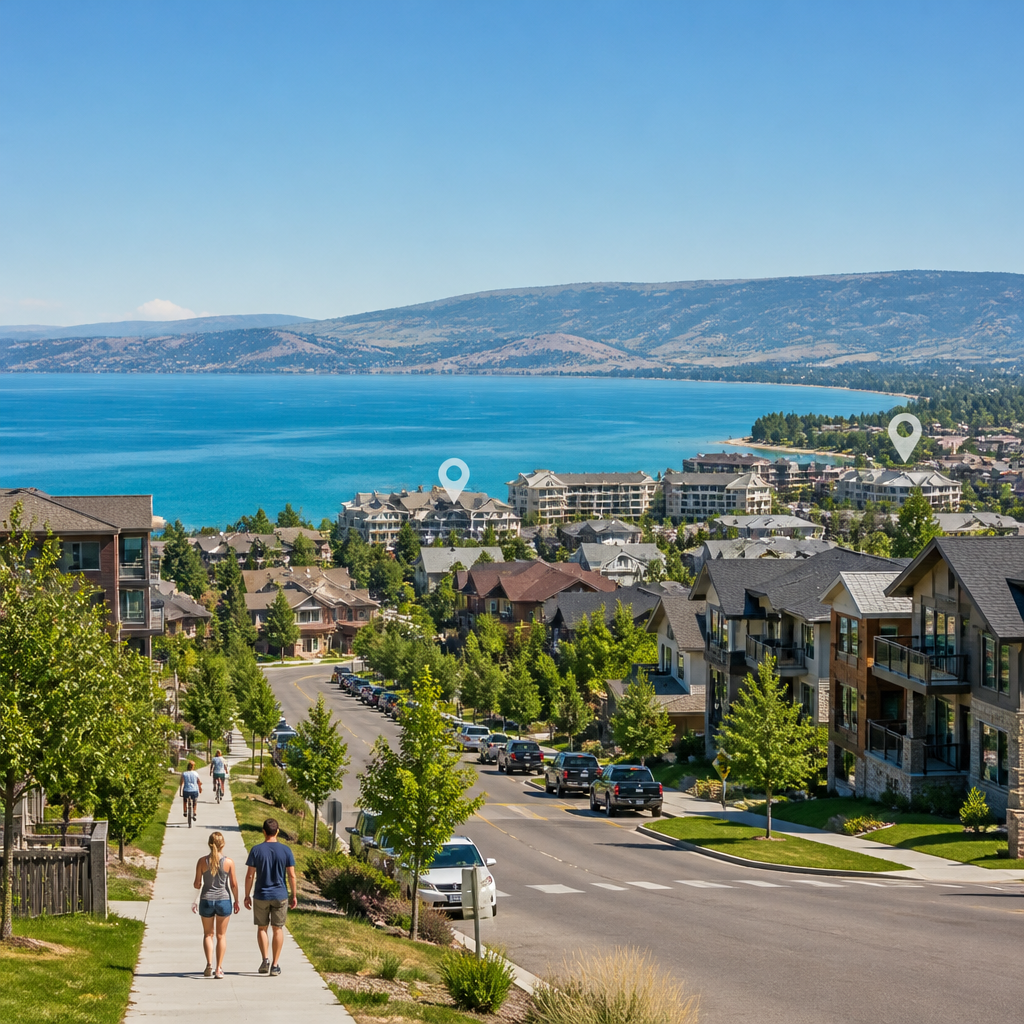
Exploring Vacation Homes in Garden City: Your 2026 Buying Guide
Exploring Vacation Homes in Garden City: Your 2026 Buying Guide Vacation homes in Garden City have shifted from niche purchases to mainstream investments as interest in Bear Lake keeps climbing. According to U.S. Census QuickFacts, Garden City’s population has grown by roughly 25% over the past deca