Essential Tips for First-Time Homebuyers in Salt Lake City: Your 2026 Guide
The first purchase often sets the tone for an entire financial future, and first-time homebuyers in Salt Lake City face a market that rewards preparation. According to National Association of Realtors data through 2024, about 32% of recent U.S. home purchases involved first-time buyers. In Salt Lake City, strong job growth, outdoor amenities, and limited land along the Wasatch Front create unique dynamics. Understanding pricing, neighborhoods, and financing options in 2026 helps buyers compete confidently without overextending budgets.
How is the 2026 market shaping up for first-time homebuyers in Salt Lake City?
Salt Lake City’s housing market remains competitive but shows signs of gradual balancing. According to Redfin data for mid-2024, the median home price in the city sits in the mid-$500,000 range, with typical days on market hovering around 30 to 40 days. Entry-level condos in areas like Downtown, the Marmalade District, and Central Ninth often trade in a band roughly between $350,000 and $450,000, depending on building age, parking, and amenities.
Competition still centers near major employment and transit corridors. Neighborhoods close to TRAX stations along 400 South, 200 South, and North Temple experience stronger demand from commuters who value car-light lifestyles. According to Walk Score, Salt Lake City posts a walk score around 59, a transit score near 45, and a bike score above 70, as of 2024. These numbers highlight how transit-accessible pockets, such as The Avenues and Downtown near City Creek Center, command price premiums compared to more car-dependent fringes.
Inventory conditions shape the experience for first-time homebuyers in Salt Lake City as much as headline prices. Based on Redfin data through late 2024, months of supply in the broader metro often fluctuates between 2 and 3 months, below the 5 to 6 months generally associated with a balanced market. This relatively tight supply means well-priced homes near Liberty Park, Sugar House Park, or the University of Utah frequently receive multiple offers, especially when updated and move-in ready.
What financial preparation helps first-time buyers succeed in Salt Lake City?
Budget clarity serves as the foundation for first-time homebuyers in Salt Lake City. According to Zillow data for 2024, typical monthly mortgage payments in the metro increased roughly 25% over the previous three years due to price and rate changes. Lenders often recommend that total housing costs remain below 28% of gross monthly income, while overall debt obligations stay under about 36%. Aligning target price ranges with these ratios allows first-time buyers to stay resilient against maintenance surprises and future interest-rate fluctuations.
Down payment strategy also shapes competitiveness. FHA loans still permit minimum down payments around 3.5%, while some conventional programs allow as little as 3% down for qualified first-time buyers, according to Consumer Financial Protection Bureau guidance. However, larger down payments can reduce monthly costs and private mortgage insurance. In Salt Lake City, where property taxes fall close to Utah’s average effective rate near 0.6% to 0.7%, tax obligations remain moderate compared to coastal markets but still warrant careful budgeting.
Local assistance programs can narrow the affordability gap. The Salt Lake City Housing Stability Division lists down payment assistance options for eligible buyers inside city limits, while Utah Housing Corporation provides statewide programs geared toward first-timers. Program structures frequently involve forgivable or deferred second mortgages rather than outright grants, and income limits often fall in bands tied to area median income, such as 80% or 100%. Careful review of each program’s terms helps borrowers avoid unexpected repayment triggers when refinancing or selling.
Which Salt Lake City neighborhoods work well for first-time buyers?
Neighborhood selection determines lifestyle as much as price. Many first-time homebuyers in Salt Lake City gravitate toward Sugar House, Glendale, Rose Park, and the Ballpark area for relative affordability compared with The Avenues or Federal Heights. According to Redfin, some west-side neighborhoods show median prices that can run $100,000 to $150,000 below the city’s priciest east-bench enclaves, while still offering quick freeway access to Interstates 15 and 80 and proximity to downtown employment.
On a spring evening along 2100 South in Sugar House, the glow from restaurant patios near Wasatch Brew Pub mixes with the smell of grilled food drifting over from nearby spots along Highland Drive. The steady hum of traffic on 700 East contrasts with the laughter of people walking dogs through Sugar House Park’s open lawns. The distant Wasatch peaks catch the last pink light, giving townhomes around Wilmington Avenue a distinctly alpine backdrop that prospective buyers often remember long after showings end.
Proximity to strong schools also influences neighborhood choice. East High School on 1300 South, rated 7 out of 10 by GreatSchools, anchors demand in parts of The Avenues and Yalecrest, while Highland High School and West High School shape preferences in surrounding areas. Families focused on recreation often compare easy access to Liberty Park, the Tracy Aviary, and Hogle Zoo, as well as trailheads above Foothill Drive near the University of Utah. These micro-location differences can shift daily commuting and weekend routines in meaningful ways.
What should first-time buyers expect during the search and offer process?
The search process for first-time homebuyers in Salt Lake City still moves quickly by historical standards. Based on Redfin data from late 2024, roughly 40% to 50% of homes in the metro sometimes sell above list price, though this share varies by month and neighborhood. Properties near downtown’s Eccles Theater, Gallivan Center, or along 300 South frequently attract strong interest when renovated and well priced. Pre-approval letters and clear budget ceilings allow buyers to submit competitive offers without exceeding comfort zones during rapid decision windows.
During an afternoon tour near the 9th and 9th intersection, the hiss of espresso machines from coffee shops along 900 South punctuates conversations between agents and buyers on the sidewalk. The air carries a mix of roasted coffee and fresh rain drifting down from the foothills above Emigration Canyon, while bicycles clatter past on their way toward Liberty Park. Inside a brick bungalow on 1100 East, the creak of original hardwood floors and the faint scent of sawdust from recent updates reveal both history and modern upgrades in a single step.
Offer terms extend beyond price alone. According to transaction guidance from the Salt Lake Board of Realtors, clean contingencies, realistic inspection timelines, and earnest money deposits in the range of 1% to 3% of the purchase price often strengthen proposals. Some sellers still prefer conventional financing over low-down-payment loans, particularly for older homes in areas like Capitol Hill or the Marmalade District where appraisal issues occasionally arise. Clear communication around appraisal gaps and repair credits helps avoid mid-transaction surprises that can derail promising deals.
How can first-time homebuyers in Salt Lake City use loans and assistance programs effectively?
Loan structure often determines long-term comfort as much as purchase price. Fixed-rate conventional loans with 30-year terms remain common for first-time homebuyers in Salt Lake City, but 20-year or 15-year options can significantly reduce lifetime interest when budgets permit. According to calculators summarized by the Consumer Financial Protection Bureau, shaving even 0.5 percentage points off an interest rate can save tens of thousands of dollars over three decades. Adjustable-rate mortgages occasionally appeal to buyers planning ownership horizons under 7 to 10 years, though rate-reset risk requires cautious evaluation.
Layered financing tools help close gaps between savings and prices. Programs highlighted by Utah Housing Corporation often combine primary mortgages with secondary loans to cover down payments and closing costs, especially for households under specific income thresholds tied to county medians. In higher-priced pockets near the University of Utah or Federal Heights, buyers sometimes blend personal savings, gifted funds, and assistance programs to overcome appraisal hurdles. At the very top of the market, luxury listings in the downtown corridor around City Creek Center can reach or exceed $2.4M, underscoring the importance of right-sizing expectations at earlier purchasing stages.
Closing costs commonly range from 2% to 5% of the purchase price in Utah, based on estimates from NerdWallet, though actual totals depend on taxes, insurance, and lender fees. First-time buyers frequently negotiate seller credits for a portion of these expenses, particularly when listings near Smith’s Ballpark or Pioneer Park spend more than 30 days on the market. Carefully reviewing loan estimates, title charges, and prepaid items several days before signing minimizes last-minute confusion in the closing room.
The 32% share of first-time buyers cited at the start of this guide reflects how many households nationwide still commit to ownership despite pricing headwinds. That same 32% figure from recent National Association of Realtors research underscores the enduring role of entry-level buyers in Salt Lake City’s 2026 market as well. The Salt Lake Board of Realtors market reports provide detailed, neighborhood-level insight into changing inventory and pricing pressures. Buyers who register listing alerts through a preferred search platform and schedule in-person tours within 48 hours of suitable homes hitting the market before the early-spring surge in March typically face fewer bidding wars, while those delaying that engagement until after April often encounter steeper competition and reduced negotiating power.
FROM OUR BLOG
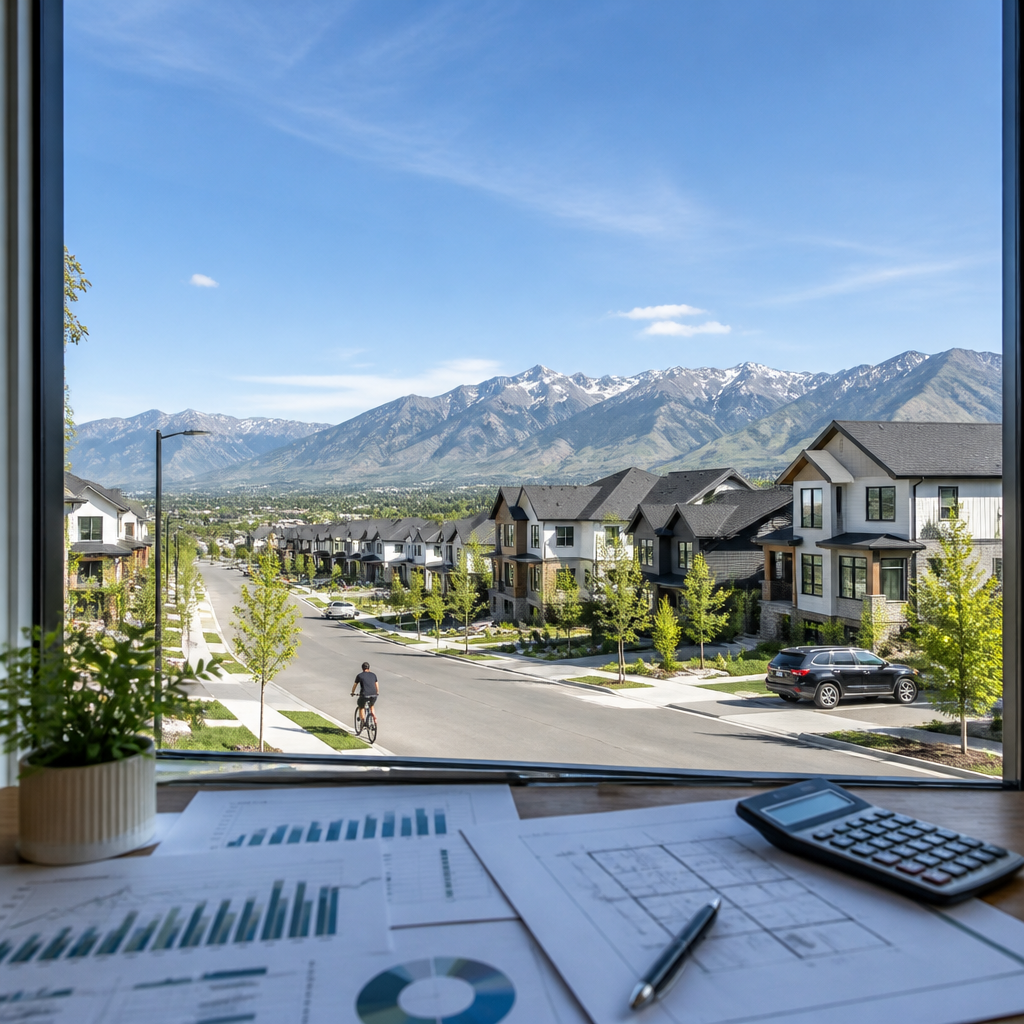
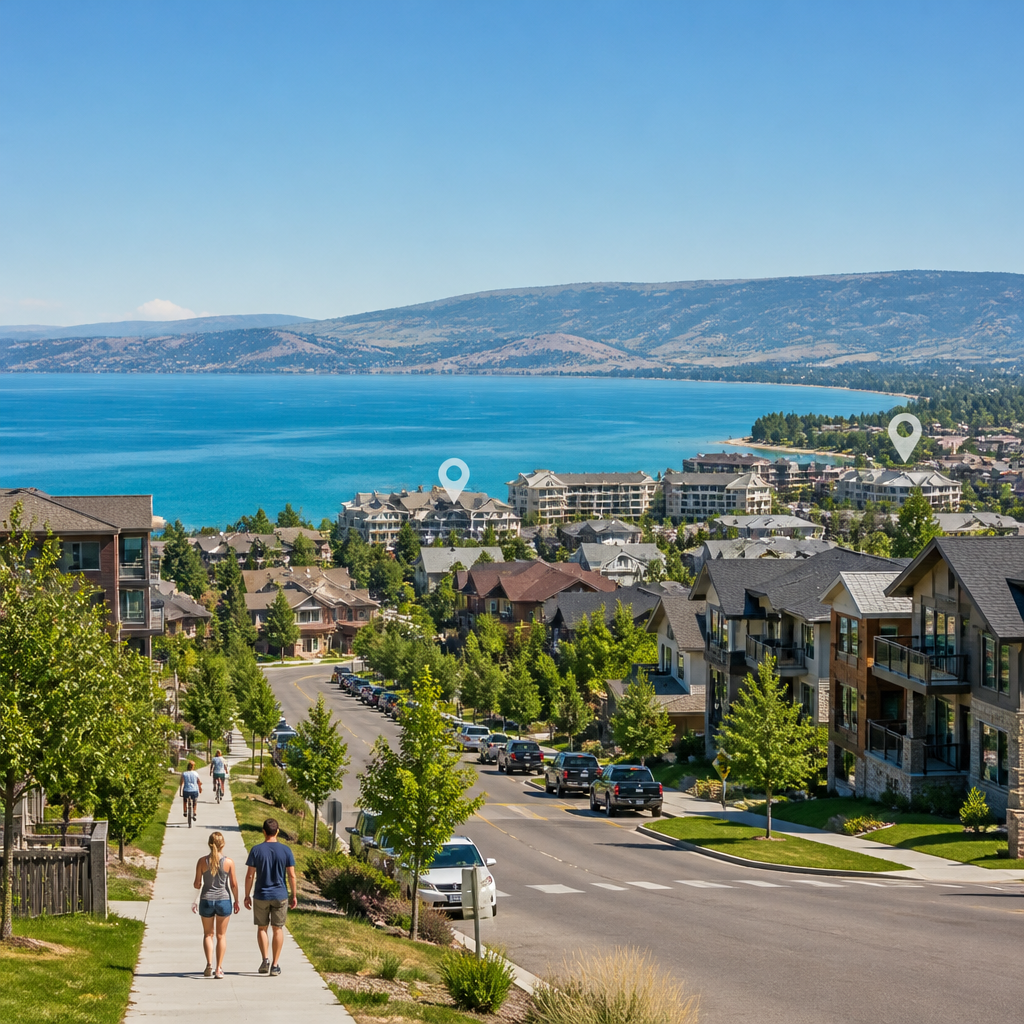
Exploring Vacation Homes in Garden City: Your 2026 Buying Guide
Exploring Vacation Homes in Garden City: Your 2026 Buying Guide Vacation homes in Garden City have shifted from niche purchases to mainstream investments as interest in Bear Lake keeps climbing. According to U.S. Census QuickFacts, Garden City’s population has grown by roughly 25% over the past deca
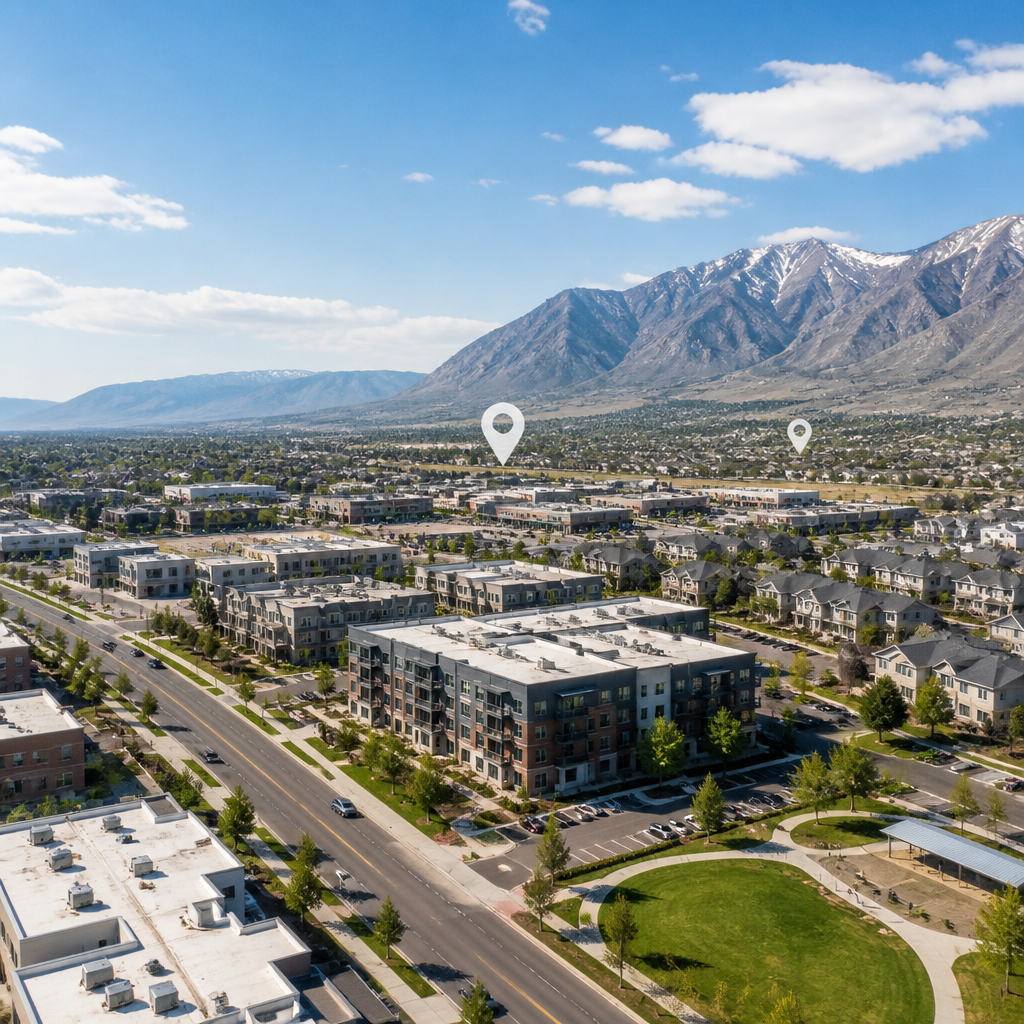
Why Draper is the Hotspot for Investment Properties in 2026
Why Draper is the Hotspot for Investment Properties in 2026 Draper sits at a strategic midpoint between Salt Lake City and Lehi, giving investors access to both employment hubs and a deep tenant pool. According to U.S. Census QuickFacts, Draper’s population grew by between 65% and 70% from 2000 to 2